Caitlin Clark’s WNBA Future In Chaos After Stunning Union Move Leaves Fans Bracing For A Major Shakeup
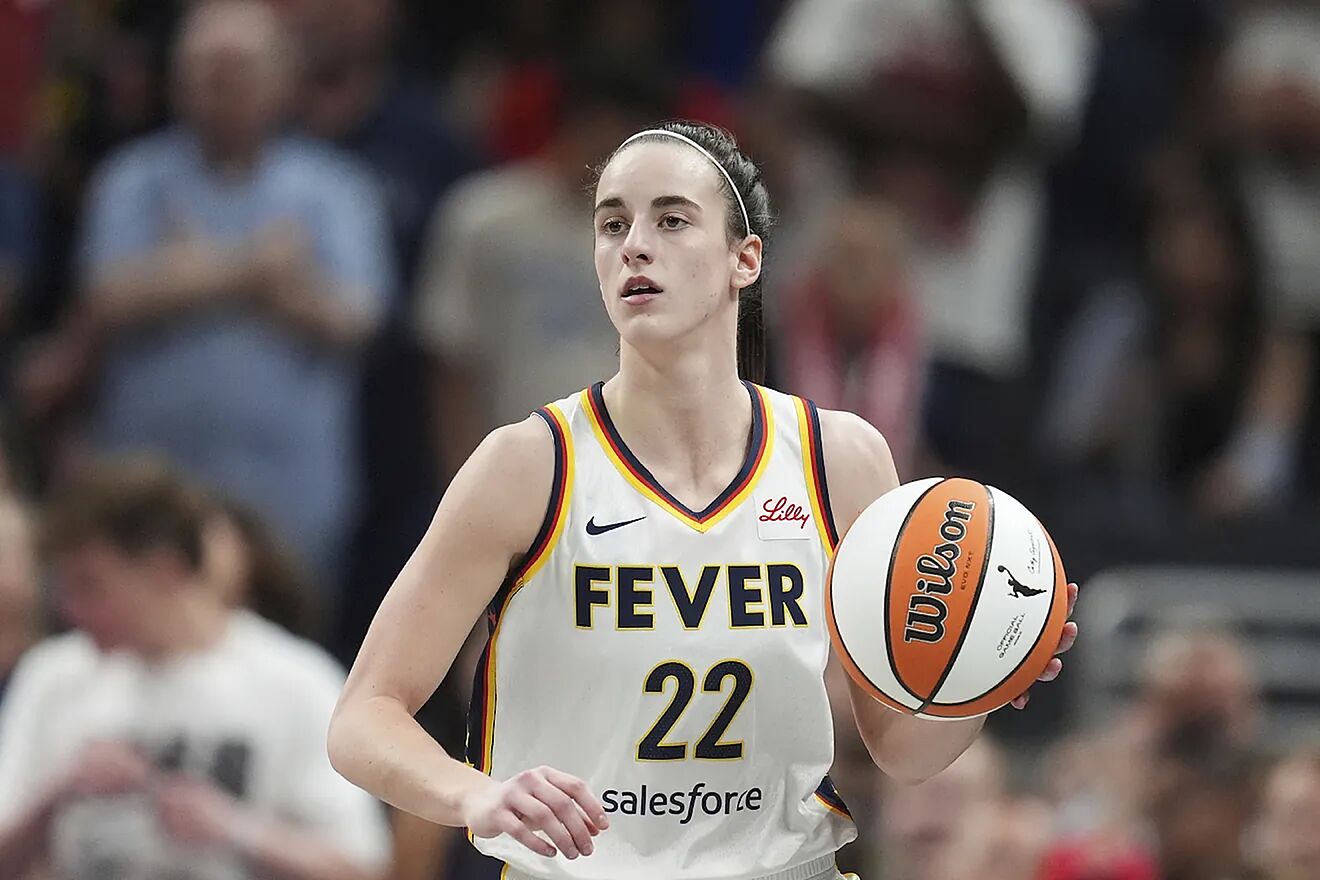
Caitlin Clark and the WNBA face uncertainty as the collective bargaining agreement approaches expiration. The initial 30-day extension provided minimal progress, leaving top players’ contracts unresolved and league negotiations at a standstill.
The WNBA had proposed a new CBA that could raise maximum salaries to more than $1.1 million for elite players like Clark, the reigning MVP A’ja Wilson, and Napheesa Collier. Yet the WNBPA found the plan insufficient, citing structural concerns regarding compensation, as the proposed figure was not a simple and straightforward base salary increase.
According to The Athletic, the total combined sum included roughly $800,000 to $850,000 as a base, lacking the revenue-sharing component players are seeking to secure long-term financial growth. With no agreement reached, the WNBPA issued a statement outlining the union’s expectations for further negotiation, calling for a six-week extension to run through January 6.
As per ESPN, a short 24-hour extension was briefly considered, but a longer six-week window was agreed upon, running into the early New Year. Such extensions are common in professional sports, as prolonged CBA discussions often require careful deliberation, meaning there is no immediate cause for alarm for fans.
WNBA risks losing stars to rival leagues
The last WNBA deal was finalized in January 2020 after months of negotiation, while the NBA‘s 2011 lockout lasted five months before a resolution. Although the league continues operations, the unresolved CBA leaves top players’ futures in question.
The delayed agreement also affects free agency, which normally begins in January. Without a finalized CBA, elite talent such as Clark may explore opportunities with rival leagues offering higher compensation and equity, presenting a potential threat to the WNBA as it enters a pivotal moment. Project B has already signed seven players with reported $2 million contracts and equity stakes, demonstrating the financial allure of competing opportunities.
The stalled negotiations also impact league operations, particularly the integration of two new franchises. Toronto Tempo and Portland‘s expansion team cannot finalize roster construction or plan strategically. Toronto reportedly paid $50 million for expansion rights, while Portland’s franchise cost $125 million, including a new practice facility. Future expansion fees are expected to exceed $250 million, further highlighting the consequences of the delayed CBA on financial and operational planning.
According to ESPN, “both teams are trying to prepare for it. But they are ‘working with more questions than answers.'”
The WNBPA‘s insistence on a fair deal underscores the growing influence of player advocacy as stars like Clark await the outcome of negotiations. The resolution will determine contract security, earning potential, and long-term career choices, shaping not only player compensation but also competitive balance across women’s basketball.